What begins as a hashtag now often ends as a movement. Generation Z, the first true digital-native cohort, is no longer content with passive outrage. Across countries, young people are taking their grievances from social media to the streets, confronting governments over inequality, corruption, and broken economic promises, signaling a decisive shift in how dissent is expressed and power is challenged.
Barish Raman
This compilation highlights major protests driven by Generation Z in recent years, with a focus on those from 2024 onward that have challenged or toppled criticized governments.
These movements reveal deep-seated frustrations among Gen Z, often rooted in economic inequality, corruption, authoritarianism, and a lack of opportunities, issues amplified by social media’s role in rapid mobilization and global inspiration.
These protests demonstrate how digital natives leverage platforms for coordination, turning online discontent into real-world change.
Common themes include demands for transparency, social justice, and systemic reform, reflecting a generation’s “nihilistic realization” that traditional paths to prosperity are broken.
Outcomes vary from government overthrows to policy concessions, but they collectively signal a shift toward youth-driven accountability, though often at the cost of violence and instability.
Notably, while neighbors like Bangladesh and Nepal saw regime changes, India experienced no comparable Gen Z-led upheaval, with youth channeling dissent through elections instead.
Bangladesh July Uprising
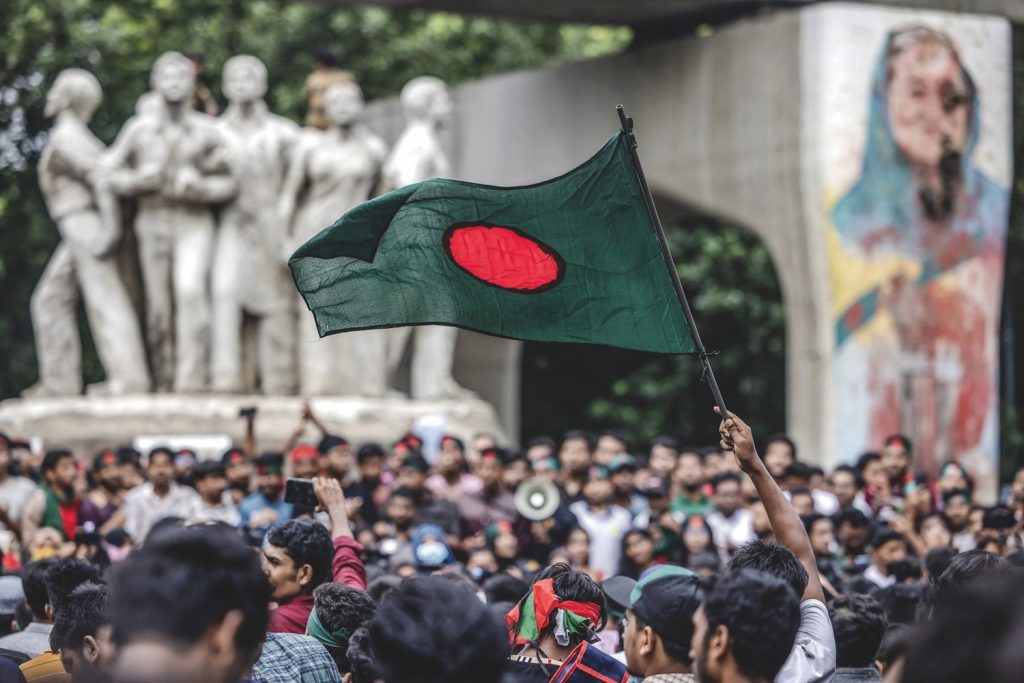
Location: Bangladesh (nationwide, epicenter in Dhaka)
When: July-August 2024
Why: Authoritarianism, human rights abuses, economic depression, corruption, and a controversial job quota system favoring political elites, exacerbating youth unemployment and inequality.
What Led to It: Supreme Court reinstatement of the quota system amid broader grievances; student-led protests escalated after violent police responses and inflammatory government statements.
Outcome: Forced resignation and exile of Prime Minister Sheikh Hasina, ending her 15-year authoritarian rule; interim government formed under Muhammad Yunus, with elections in February 2026; over 300 deaths reported. This nspired global youth movements by showcasing how coordinated digital activism can dismantle entrenched power, though it left lingering ethnic and political tensions.
Nepal Anti-Government Protests
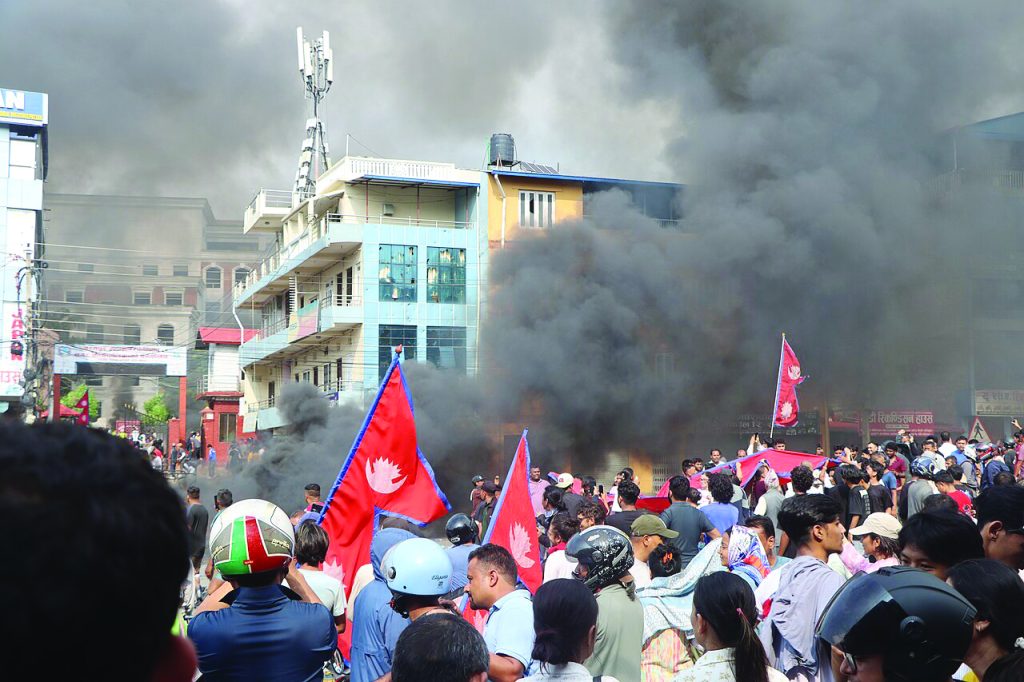
Location: Nepal (Kathmandu and nationwide)
When: September 2025
Why: Corruption, nepotism (#nepobabies), economic stagnation, and a social media ban, fueling Gen Z’s anger over systemic rot and dynastic politics.
What Led to It: Government’s sudden ban on major social media platforms, igniting broader revolt against entrenched elites.
Outcome: Resignation of Prime Minister K.P. Sharma Oli; 19-61 deaths and hundreds injured; government buildings torched; elections set for March 2026. Echoing Bangladesh, this uprising exposed decades of political musical chairs, empowering youth to demand independent oversight and inspiring regional waves of activism.
Iran Nationwide Protests (2025–2026)
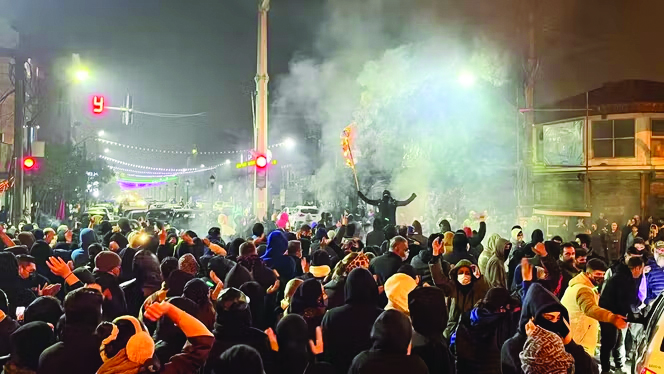
Location: Iran (nationwide, across all 31 provinces, starting in Tehran’s Grand Bazaar and spreading to 675+ locations in 210+ cities)
When: December 28, 2025 – mid-January 2026 (main wave; sporadic activity continued into February 2026)
Why: Severe economic collapse including hyperinflation (food prices up 72%), record currency devaluation (rial hitting historic lows), soaring living costs, corruption, repression, and long-standing demands for human rights, dignity, and an end to the Islamic Republic’s rule.
What Led to It: Sharp rial crash in late 2025 amid broader economic mismanagement; initial strikes by bazaar merchants and shopkeepers over inability to price goods, quickly evolving into mass street demonstrations fueled by youth frustration with systemic failures and no future prospects.
Outcome: Brutal security crackdown with lethal force, internet blackouts to hide violations, mass arrests (tens of thousands, including children), and thousands of deaths (reports range from 4,000–6,000+ verified by groups like HRANA and Amnesty International, with peaks on January 8–9). Protests largely suppressed by mid-January through repression and communications shutdowns; no regime change achieved, but deepened generational defiance and cross-class solidarity. Widely seen as Gen Z-led (youth under 30 prominent, many under 18 killed), continuing the legacy of 2022’s “Woman, Life, Freedom” uprising and highlighting Iran’s youth as a persistent force against authoritarianism despite extreme risks.
Kenya Gen Z Protests
Location: Kenya (nationwide)
When: June 2024 – July 2025
Why: Harsh taxes on essentials, rampant corruption, soaring cost-of-living, political exclusion, poverty, inequality, high youth unemployment, and rising femicide, highlighting Gen Z’s economic precarity.
What Led to It: The proposed Finance Bill 2024 imposes new taxes on top of existing burdens; built on frustrations from the 2023 Finance Act.
Outcome: Withdrawal of the Finance Bill; sustained calls for accountability resulted in at least 128 deaths, 3,000 arrests, and 83 disappearances; government deployed digital surveillance to suppress dissent. These protests energized African youth activism, exposing how economic policies disproportionately burden the young, fostering a continent-wide dialogue on governance reform.
Morocco GenZ 212 Protests
Location: Morocco (various cities, e.g., Sale, Rabat, Agadir)
When: October 2025
Why: Calls for healthcare, education, and social justice reforms; government favoring 2030 World Cup infrastructure over public services amid 36% youth unemployment.
What Led to It: Tragic deaths of pregnant women due to substandard healthcare post-C-sections.
Outcome: 2-3 deaths, hundreds injured, dozens arrested; PM Aziz Akhannouch initiated dialogue; protests persisted for full resignation. Highlighting misplaced priorities, this movement underscored Gen Z’s demand for equitable resource allocation in developing nations.
Madagascar Youth Protests
Location: Madagascar (nationwide, e.g., Antsiranana, Antananarivo)
When: October 2025
Why: Severe water shortages, power blackouts, corruption, and poverty in one of Africa’s poorest countries, amplifying Gen Z’s survival struggles.
What Led to It: Chronic failures in basic infrastructure, sparking demands for systemic overhaul.
Outcome: President Andry Rajoelina dissolved the government; at least 22 deaths and over 100 injured; continued crackdowns. This protest revealed how basic service deficits fuel radical youth action, pushing for accountability in fragile states.
Peru Anti-Boluarte Protests
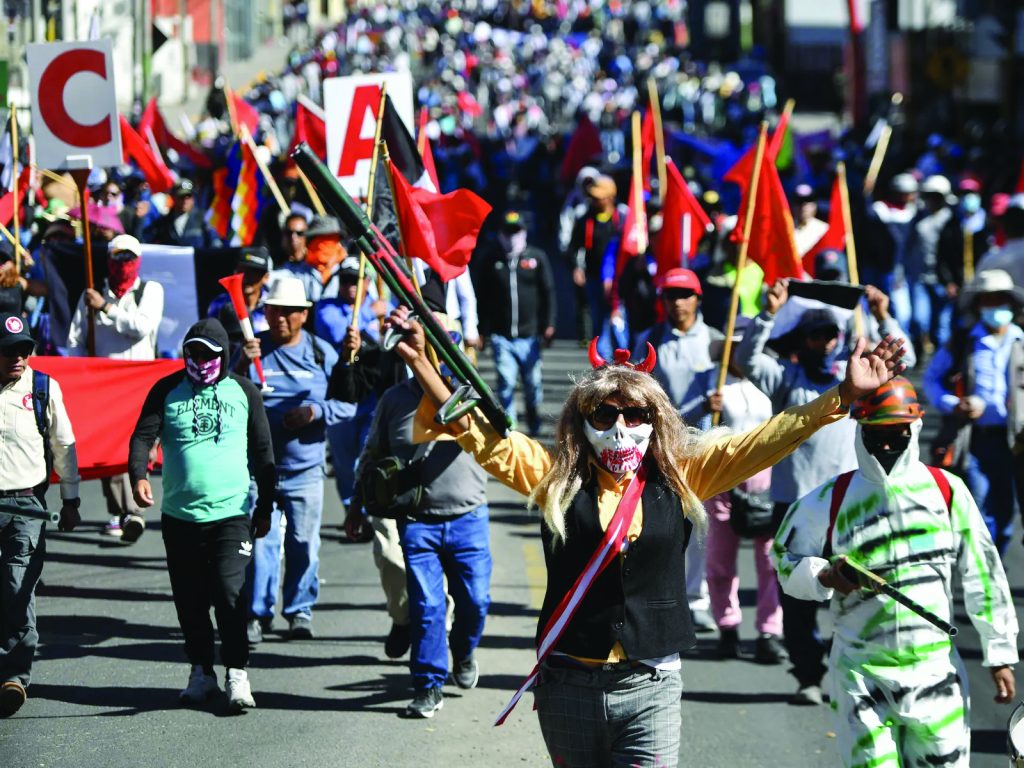
Location: Peru (Lima and nationwide)
When: September-October 2025
Why: Pension reforms, corruption, repression, and surging crime under President Dina Boluarte, reflecting Gen Z’s intolerance for insecurity.
What Led to It: Announcement of contentious pension laws amid ongoing public fury.
Outcome: Ouster of President Boluarte; elections scheduled for April 2026; her low approval ratings galvanized the movement. Demonstrating Gen Z’s role in accelerating political turnover, this added to Latin America’s wave of youth-led accountability.
Mexico Anti-Violence Protests
Location: Mexico (nationwide)
When: November 2025
Why: Escalating violence, corruption, and abuse of power, eroding trust in institutions.
What Led to It: Public assassination of an anti-crime mayor, symbolizing governance failures.
Outcome: Massive demonstrations raised awareness of systemic issues; no immediate overhauls, but heightened scrutiny on security policies. This protest illustrated Gen Z’s focus on safety as a core right, bridging local crimes to national reform demands.
Paraguay Anti-Pena Protests
Location: Paraguay
When: October 2025
Why: Opposition to the Pena government’s corruption and inequality policies.
What Led to It: Youth-organized online efforts demanding systemic change.
Outcome: Growing demonstrations amplified regional discontent; policy shifts pending. As part of Latin America’s Gen Z wave, it emphasized cross-border solidarity in fighting entrenched elites.
Philippines Flood Control Protests
Location: Philippines
When: September-October 2025
Why: Corruption in flood control projects amid widening inequality and environmental neglect.
What Led to It: Exposés of mismanagement in infrastructure funding.
Outcome: Intensified oversight on public spending; fueled anti-corruption sentiment without regime change. Part of Asia’s Gen Z surge, it highlighted how climate vulnerabilities intersect with graft, urging sustainable governance.
Indonesia Youth Uprisings
Location: Indonesia
When: August-September 2025
Why: Political corruption and wealth inequality, eroding faith in democratic processes.
What Led to It: Digital campaigns against policies widening economic divides.
Outcome: Riots pressured the government for reform talks; integrated into the global Gen Z narrative. This uprising showed how inequality visuals on social media accelerate mobilization, challenging Asia’s economic giants.
Serbia Anti-Corruption Protests
Location: Serbia (Belgrade)
When: September 2025
Why: Deep-rooted corruption, epitomized by a train station collapse due to negligence.
What Led to It: Anniversary of the disaster, reigniting calls for justice.
Outcome: Demands for anti-corruption measures grew as ongoing pressure raised fears of European-wide youth unrest. Linking infrastructure failures to graft, this movement warned of Gen Z’s potential to ignite continental shifts, demanding total transparency and long-overdue accountability from leaders while inspiring similar demonstrations across neighboring nations to challenge the status quo.
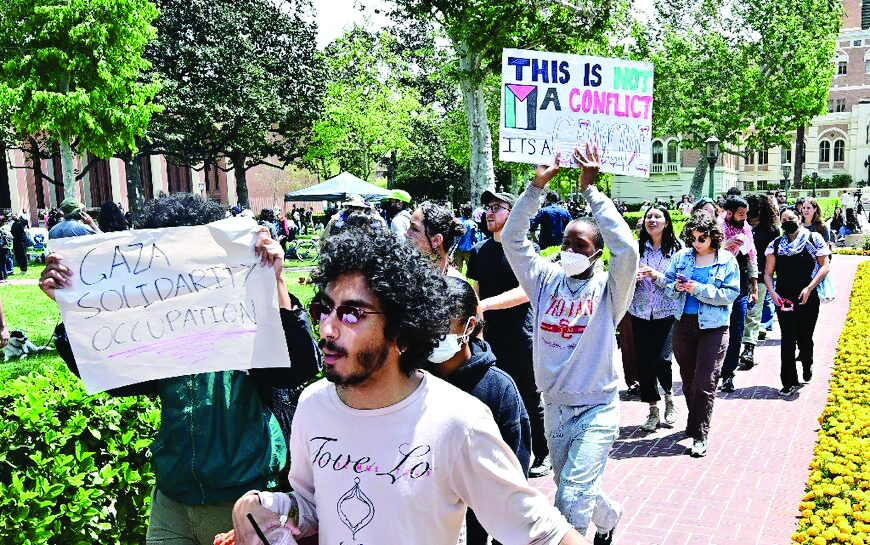
US Campus Pro-Palestine Protests
Location: United States (various universities, e.g., Columbia, Stanford, Harvard, UCLA)
When: Peak in April-May 2024; ongoing from October 2023 into 2025
Why: Demands to end the Gaza conflict, support Palestinian rights, and push for university divestment from Israel and arms companies, reflecting Gen Z’s global justice ethos.
What Led to It: Intensification of the Israel-Gaza war post-October 7, 2023; mass arrests at Columbia’s encampment sparked nationwide solidarity.
Outcome: Over 3,600 arrests and injuries occurred; 97% peaceful protests led to some divestment negotiations and disclosures, while administrative crackdowns included suspensions. This movement illustrated Gen Z’s use of campuses as protest hubs, amplifying international issues domestically and influencing broader political discourse on foreign policy through unprecedented digital coordination, relentless activism, and a steadfast commitment to long-term systemic change.